If you are trying to reduce waste and improve profit in your printing business, the answer is simple: the right DTF gang sheet size directly controls your cost per print, speed, and efficiency. Most shops lose money not because of bad sales, but because they choose the wrong sheet size and waste film space every single run.
At DTF West Coast, we see the same issue daily: printers overestimate their needs, under-plan layouts, and end up with unused film that quietly eats into margins. This guide breaks down exactly how DTF gang sheet sizes work, which dimensions actually matter, and how to choose the size that gives you maximum output with zero waste.
What Are DTF Gang Sheet Sizes and Why Do They Matter?
What is a DTF gang sheet?
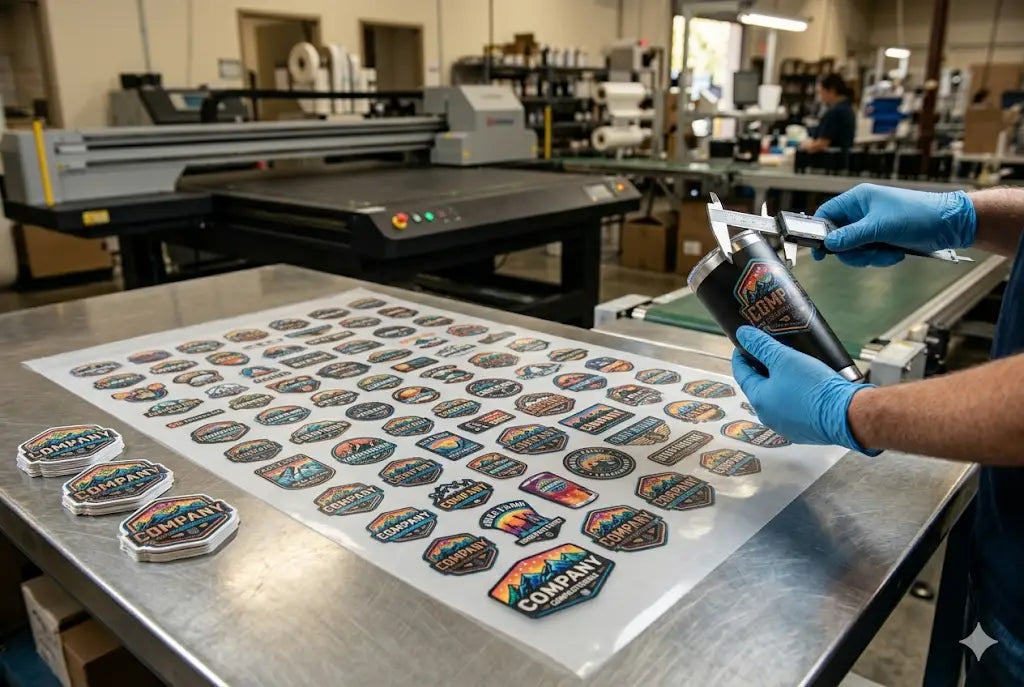
A DTF gang sheet is a single film layout where multiple designs are arranged together before printing. Instead of printing one design per sheet, you combine several graphics into one print cycle. This is the foundation of gang sheet DTF printing and the reason modern print shops scale faster than traditional setups.
Why sheet size directly affects profit
Sheet size determines how many designs you can fit, how much film you waste, and how many orders you can fulfill per run. A poorly chosen size leads to empty space, while an optimized size increases output per sheet and lowers cost per transfer.
Standard DTF Gang Sheet Size Guide
What is the standard DTF gang sheet size?
Most DTF operations use a fixed width of 22 inches due to printer limitations, while length varies based on production needs. This creates flexible roll-based production systems.
Common DTF gang sheet dimensions explained
The most widely used DTF gang sheet printing sizes include:
-
22x24 inches for small batch or sample production
-
22x60 inches for balanced daily production
-
22x120 inches for bulk or wholesale orders
Each size serves a different production goal depending on order volume and design density.
DTF gang sheet size chart overview
Smaller sheets are best for low-volume or custom orders, medium sheets balance efficiency and flexibility, and large sheets are designed for wholesale and bulk production where maximizing space is critical.
How Printer Width Affects DTF Gang Sheet Sizes
Why most DTF sheets are 22 inches wide
Most printers used in gang sheet DTF printing operate on a 22-inch film width because it balances resolution, ink coverage, and compatibility with commercial print heads.
Does machine type change sheet size?
Yes. Desktop printers are limited to smaller formats, while industrial machines can support longer rolls. This directly affects how much you can print per cycle and how efficiently you can scale production.
Choosing the Right DTF Gang Sheet Size for Your Business
How order volume influences size selection
Small shops with low daily orders should use compact sheets to avoid waste. High-volume shops benefit from longer sheets that allow multiple designs per run.
How garment type affects sheet size
Chest logos require smaller spaces, while full front and back prints require larger layouts. Sleeve prints often fill leftover areas and improve efficiency.
Beginner vs professional recommendations
Beginners should start with mid-size sheets for easier handling, while experienced print shops use larger sheets to maximize production output and reduce per-unit cost.
DTF Gang Sheet Size vs Production Efficiency
Smaller sheets vs larger sheets
Smaller sheets are easier to handle but produce fewer designs per run. Larger sheets increase output but require better layout planning and cutting precision.
Which size improves scalability
Larger sheets support scaling because they reduce setup time per design and increase the number of prints per production cycle.
DTF Gang Sheet Printing Sizes and Layout Strategy
How layout impacts efficiency
Even the correct sheet size can waste money if designs are not arranged properly. Layout determines how much usable space you actually convert into profit.
Nesting technique for maximum output
Nesting means placing smaller designs into gaps between larger ones. This improves density and reduces wasted film space.
Safe spacing rules
Every design needs proper cutting margins. Tight spacing reduces usability, while excessive spacing wastes material.
Cost Impact of DTF Gang Sheet Sizes
How sheet size affects cost per print
Larger sheets reduce the cost per design because more graphics are printed per run. Smaller sheets increase flexibility but raise per-unit cost.
Profit comparison insight
When layouts are optimized, businesses can reduce cost per transfer significantly by increasing usable design density instead of increasing sheet size.
Most Efficient DTF Gang Sheet Size for Profit Maximization
Best size for bulk orders
22x120 sheets are most efficient for wholesale and high-volume production due to maximum design capacity.
Best size for small businesses
22x60 sheets offer the best balance between flexibility and cost control.
Zero waste workflow size
Mid-to-large sheets combined with smart nesting create the most efficient zero-waste production systems.
Industry Use Cases for Different DTF Gang Sheet Sizes
Apparel brands use larger sheets for full collections. Etsy sellers rely on mid sheets for flexible testing. Wholesale printers use bulk sheets for maximum efficiency. Promotional companies use mixed layouts to combine logos, events, and variations in a single production run.
How to Optimize DTF Gang Sheet Printing Sizes for Zero Waste
Efficient printing starts with planning. Group similar designs together, use nesting for unused spaces, and always preview layouts before printing. Consistent workflow optimization reduces waste and improves production speed across all order sizes.
Upgrade Your Printing Efficiency Today
If you are serious about improving your margins and reducing waste, start optimizing your gang sheet sizes today. At DTF West Coast, we help print businesses choose the right sheet sizes, improve layout efficiency, and scale production without increasing costs.
Explore smarter printing solutions and take control of your production workflow today.
Conclusion
DTF gang sheet sizes are not just a technical detail; they are a profit control system. The right size improves efficiency, reduces waste, and increases output per print cycle. Businesses that master sizing and layout strategy scale faster and operate with stronger margins. To learn more about optimizing your printing workflow, visit DTF West Coast.
FAQs
What are DTF gang sheet sizes used for?
DTF gang sheet sizes are used to determine how many designs can fit on a single print film, improving efficiency, reducing waste, and lowering production costs across custom apparel printing workflows.
What is the standard DTF gang sheet size?
The standard DTF gang sheet size is typically 22 inches in width, with varying lengths such as 24, 60, or 120 inches depending on production volume and printer capabilities.
Which DTF gang sheet size is most profitable?
The most profitable size depends on order volume, but mid to large sheets often generate higher profit because they maximize design density and reduce per-transfer production cost significantly.
How do DTF gang sheet dimensions affect cost?
Larger dimensions allow more designs per sheet, reducing the cost per print. Smaller sheets increase flexibility but may result in a higher cost per design due to limited space usage.
Can small businesses use large gang sheets?
Yes, small businesses can use large sheets, but they must ensure enough designs are available to fill the space; otherwise, unused film can increase production waste and reduce efficiency.
What is a DTF gang sheet size chart?
A DTF gang sheet size chart compares different sheet dimensions like 22x24, 22x60, and 22x120, helping businesses choose the right size based on order volume and design requirements.
Why is nesting important in gang sheet printing?
Nesting improves efficiency by placing smaller designs into gaps between larger ones, maximizing usable space and reducing wasted film on each printed sheet.
Do all printers support the same sheet sizes?
No, sheet sizes depend on printer width and roll compatibility. Most commercial printers support 22-inch widths, but length capacity varies based on machine type.
What happens if I choose the wrong sheet size?
Choosing the wrong size can lead to wasted material, higher production costs, inefficient layouts, and reduced profitability due to unused space or excessive reprints.
How can I reduce waste in DTF gang sheets?
Waste can be reduced by proper layout planning, nesting designs, selecting the correct sheet size, and matching production volume with optimized gang sheet dimensions.
Share:
From Runway to Retail: Why Fashion Brands Are Switching to DTF Printing
Best Heat Press Settings for DTF Transfers