Key Highlights
- 3D UV DTF printing uses TPU film to create flexible, textured, and durable designs on multiple surfaces.
- TPU UV DTF printing enables stretchable, crack-resistant prints ideal for curved and rigid surfaces.
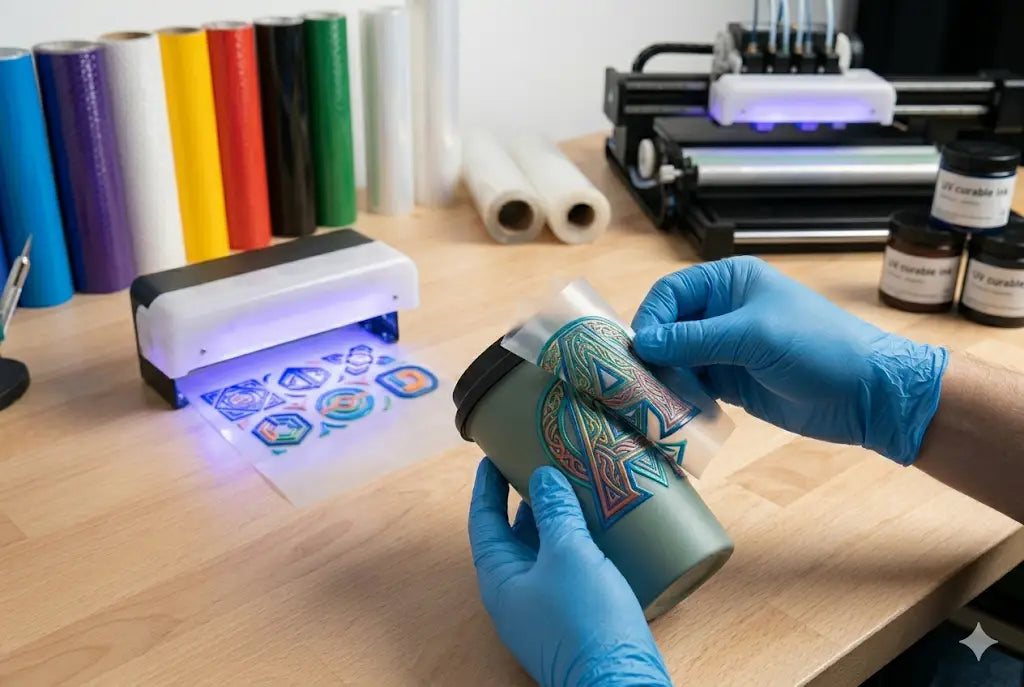
- The UV DTF printing process involves printing, laminating, and transferring without heat pressing.
- 3D UV DTF transfers provide high-detail, raised textures for premium branding and decoration.
- Flexible UV DTF printing expands applications beyond fabrics to glass, plastic, metal, and more.
Understanding 3D UV DTF Printing Technology
3d UV DTF printing is one of the most exciting advancements in modern surface decoration. Unlike traditional printing, it creates raised, textured designs that feel premium and visually striking.
This method uses UV-curable inks combined with layered printing techniques, allowing designs to appear almost three-dimensional. That’s why 3d UV DTF transfers are becoming popular for branding, packaging, and custom products.
At its core, this process combines innovation and versatility. It supports both flat and curved surfaces, making it ideal for businesses exploring new creative opportunities with surface printing technology.
What Makes TPU Important in This Process
The key material behind this innovation is TPU, or thermoplastic polyurethane. When used in tpu UV DTF printing, it adds flexibility and durability to the printed design.
Unlike rigid materials, TPU bends without cracking. This makes 3d UV DTF tpu prints perfect for surfaces that move, flex, or experience handling. It’s a major reason why UV DTF flexibility stands out.
Understanding tpu printing explained simply means knowing it allows your prints to stretch slightly while maintaining their structure. This feature is essential for long-lasting, high-quality applications.
How the 3D UV DTF Printing Process Works
The UV DTF printing process is unique compared to traditional printing methods. It doesn’t require direct printing onto the final surface, making it highly efficient and versatile.
Instead, the design is printed onto a special film, layered with adhesive, and then transferred onto the desired surface. This makes DTF transfer printing smoother and more consistent.
Basic Workflow:
- Print design on transfer film using UV ink
- Apply adhesive layer over the print
- Laminate with protective film
- Peel and apply to surface
This simplified 3d DTF printing process ensures consistent quality and reduces errors during application.
Why TPU Film Enhances Print Quality
The use of UV DTF tpu film significantly improves the overall finish of prints. It allows designs to maintain their shape even under stress or movement. With flexible DTF printing material, prints don’t crack, peel, or lose texture easily. This makes them ideal for both commercial and decorative uses.
Another advantage is the enhanced depth and texture. Textured sticker printing becomes more defined, giving designs a premium look that stands out in competitive markets.
Applications of 3D UV DTF Printing
The versatility of 3d UV DTF printing opens doors to multiple industries. It is no longer limited to apparel but extends to a wide range of surfaces.
Businesses now use uv printing stickers for branding products, packaging, and promotional items. The results are durable and visually appealing.
Popular Uses Include:
- Custom product branding
- Phone cases and accessories
- Glass and acrylic decoration
- Packaging labels
- Promotional merchandise
This flexibility makes 3d UV DTF transfers a powerful tool for creative and commercial applications.
Advantages Over Traditional Printing Methods
Compared to standard printing techniques, tpu UV DTF printing offers several clear advantages. It simplifies production while improving durability and visual quality.
One major benefit is that it eliminates complex setup processes. Unlike other methods, UV DTF for fabric printing does not require extensive preparation or pretreatment.
Key Benefits:
- No heat press required
- Works on multiple surfaces
- Highly durable and flexible
- Produces raised, textured designs
These benefits make flexible UV DTF printing a preferred choice for modern businesses.
Is It Suitable for Beginners?
Yes, this technology is beginner-friendly when approached correctly. The process is straightforward, especially with proper tools and guidance. Many beginners start with small projects to understand DTF transfer printing techniques before scaling. The learning curve is manageable with practice.
Additionally, simplified workflows and pre-configured systems make 3d UV DTF technology accessible even for those new to printing.
Common Mistakes to Avoid
Even though the process is simple, mistakes can still affect results. Understanding these early helps maintain quality and efficiency. Incorrect settings or poor material choices can reduce the effectiveness of tpu sticker printing and overall output.
Avoid These Errors:
- Using low-quality TPU film
- Incorrect curing settings
- Poor surface preparation
- Applying uneven pressure during transfer
Avoiding these ensures consistent results in textured UV DTF printing projects.
Future of 3D UV DTF Printing
The demand for 3d UV DTF printing is growing rapidly as businesses seek more creative and durable solutions. Its flexibility makes it suitable for evolving market needs. As innovation continues, improvements in surface printing technology will further enhance efficiency and output quality.
This means businesses adopting tpu DTF printing early can gain a strong competitive advantage in customization and branding.
Conclusion
If you're looking to explore modern printing solutions, 3d UV DTF printing is a game-changer. It combines flexibility, durability, and premium design capabilities in one powerful method. With the advantages of tpu UV DTF printing and advanced materials, businesses can expand into new markets and applications. To get started or explore high-quality solutions, visit DTF West Coast.
FAQs
1. What surfaces can 3D UV DTF printing be used on?
3D UV DTF printing works on glass, plastic, metal, wood, and more. Its flexibility allows designs to adhere smoothly even on curved or uneven surfaces without losing quality.
2. Is TPU necessary for UV DTF printing?
TPU is important because it adds flexibility and durability. It prevents cracking and ensures the design remains intact, especially when applied to curved or flexible surfaces.
3. Does 3D UV DTF printing require heat pressing?
No, this method does not require heat pressing. Designs are transferred using adhesive films, making the process faster, cleaner, and more convenient compared to traditional printing techniques.
4. How durable are 3D UV DTF prints?
These prints are highly durable and resistant to scratches, moisture, and wear. The combination of UV ink and TPU film ensures long-lasting performance across various surfaces.
5. Can beginners learn this printing method easily?
Yes, beginners can learn it easily with practice. The process is straightforward, and many tools simplify setup, making it accessible for those new to printing technologies.
6. What makes the prints look three-dimensional?
Layered UV ink and raised texture effects create depth. This gives prints a 3D appearance, making designs stand out visually and feel more premium compared to flat printing methods.
7. Is this printing method suitable for small businesses?
Yes, it is ideal for small businesses. It allows customization, low setup costs, and versatility, helping businesses create unique products and expand their offerings efficiently.
8. Can I use this method for stickers?
Yes, it is widely used for sticker production. The results are durable, flexible, and textured, making them perfect for branding, labeling, and decorative purposes.
9. What is the biggest advantage of TPU film?
The biggest advantage is flexibility. TPU allows prints to bend without cracking, ensuring durability and maintaining design integrity even when applied to curved or frequently handled surfaces.
10. How is this different from traditional DTF printing?
Traditional DTF focuses on fabric, while UV DTF works on hard surfaces. It uses UV curing instead of heat pressing, offering more versatility and unique textured design capabilities.
Share:
What Is TPU in 3D UV DTF Printing and Why It Matters
DTF Transfer File Requirements (PNG, DPI, Resolution)