Key Highlights
- TPU is the flexible base material used in 3d UV DTF printing
- It enables durability and flexibility in tpu UV DTF printing systems
- UV DTF tpu film improves adhesion and print stability
- TPU is essential for flexible UV DTF printing applications
- It enhances texture in textured sticker printing results
In the world of modern printing, materials matter just as much as machines. One of the most important innovations in 3D UV DTF printing is TPU, a flexible material that completely changes how prints look, feel, and perform.
Without TPU, many advanced effects in 3d UV DTF transfers would not be possible. It acts as the foundation that supports durability, flexibility, and high-definition texture in finished prints.
What exactly is TPU?
TPU stands for Thermoplastic Polyurethane, a highly flexible and durable material used in printing applications. In tpu UV DTF printing, it plays a key role in holding ink and adhesive layers together.
This material allows designs to stretch, bend, and stick smoothly on different surfaces. That’s why tpu printing explained simply means using a flexible base that adapts to pressure and movement without cracking.
Role of TPU in UV DTF Technology
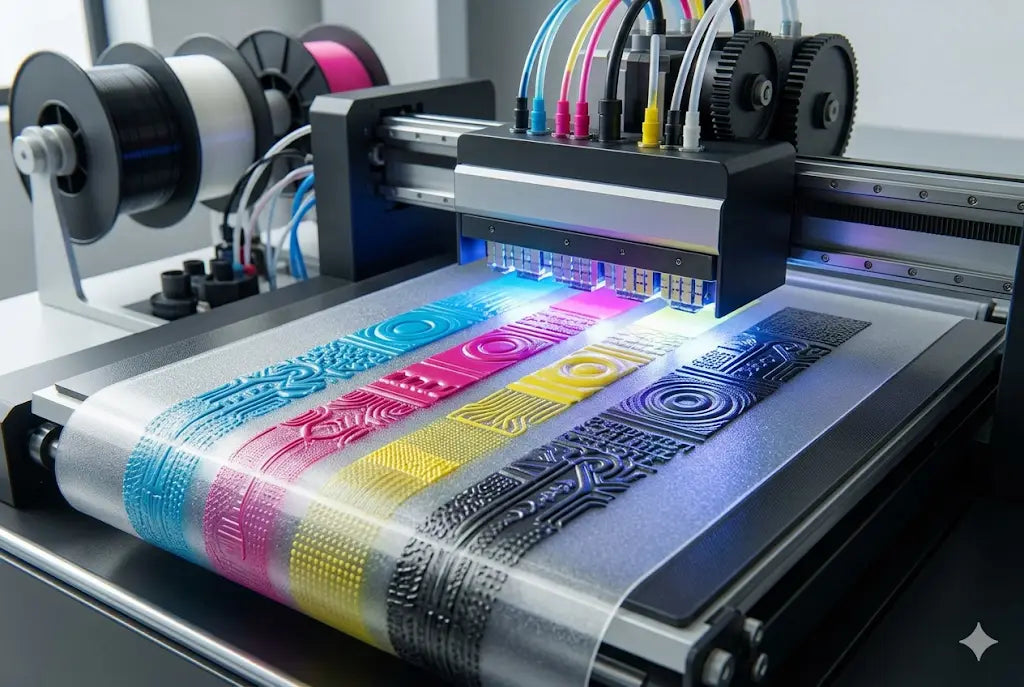
In the modern UV DTF printing process, TPU acts as the carrier layer that binds everything together. It ensures the design transfers cleanly from film to surface without losing quality or detail.
In 3d UV DTF tpu systems, this layer also helps create a raised, textured effect that gives prints a premium, 3D-like appearance.
Why TPU Matters in Print Quality
The importance of TPU becomes clear when you look at final output quality. It directly impacts durability, flexibility, and finish.
In flexible UV DTF printing, TPU ensures that designs do not crack, peel, or fade easily. Instead, they maintain their structure even under pressure or bending. This makes it essential for high-quality UV DTF transfers used in commercial production.
TPU and Flexibility Advantage
One of the biggest advantages of TPU is flexibility. In UV DTF flexibility, this material allows prints to adapt to curved, uneven, or soft surfaces without damage.
Here’s why flexibility matters:
- Prevents cracking on movement
- Supports curved surfaces
- Improves long-term durability
- Enhances visual appeal
- Maintains adhesive strength
This is especially useful in flexible DTF printing material applications where adaptability is key.
TPU in Sticker and Surface Printing
TPU is widely used in tpu sticker printing because it allows stickers to remain strong yet flexible. Unlike traditional materials, it does not become brittle over time. In textured sticker printing, TPU also helps create a raised effect, giving stickers a more premium and professional finish.
UV DTF for Fabric and Non-Fabric Use
While TPU is often associated with hard surfaces, it also plays a role in UV DTF for fabric printing. It helps maintain adhesion and flexibility on different textile types. This makes it a versatile solution for both soft and rigid surfaces, expanding the possibilities of modern printing applications.
How TPU Improves Durability
Durability is one of the strongest benefits of TPU. In UV DTF tpu film, the material ensures that prints remain intact even under stress, moisture, or heat exposure. It protects the ink layer and prevents damage from daily wear and tear, making prints last significantly longer.
Why TPU Is Essential in 3D Printing Effects
The rise of 3d UV DTF printing is largely due to TPU’s ability to create depth and texture. It helps form layered designs that appear raised and visually appealing. Without TPU, achieving consistent 3D effects would be nearly impossible in modern printing workflows.
Benefits of Using TPU in UV DTF Systems
Using TPU offers several advantages in printing systems:
-
High flexibility and stretch resistance
-
Strong adhesion to multiple surfaces
-
Long-lasting durability
-
Enhanced color and texture quality
-
Smooth transfer process
These benefits make it a core material in advanced UV DTF printing process workflows.
Common Misunderstandings About TPU
Many beginners think TPU is just another plastic layer, but it plays a much more important role. It is not just a support material, it actively influences print quality. In reality, TPU determines how well a design performs in real-world use, especially in demanding environments.
Conclusion
TPU is one of the most important materials in modern UV DTF printing. It enhances flexibility, durability, and overall print quality, making advanced effects like 3D textures possible.
Without TPU, many of today’s high-quality printing applications would not perform at the same level of reliability and detail. For professional UV DTF printing solutions and high-quality materials, visit DTF West Coast.
FAQs
1. What is TPU in UV DTF printing?
TPU is a flexible thermoplastic material used in UV DTF printing. It helps bind ink layers, improves durability, and allows designs to stretch without cracking or losing print quality.
2. Why is TPU important in printing?
TPU is important because it provides flexibility, strength, and durability to printed designs. It ensures prints remain intact on different surfaces without peeling, cracking, or fading over time.
3. Is TPU used in all UV DTF prints?
Most modern UV DTF prints use TPU because it enhances performance and durability. However, some specialized applications may use different materials depending on design and surface requirements.
4. Does TPU affect print flexibility?
Yes, TPU directly improves flexibility. It allows prints to bend, stretch, and adapt to curved or uneven surfaces without breaking or losing their original shape or quality.
5. Can TPU be used on fabric surfaces?
Yes, TPU works on fabric surfaces when used in UV DTF systems. It helps maintain adhesion and flexibility, making prints durable and long-lasting on textiles.
6. What makes TPU better than regular plastic layers?
TPU is more flexible and durable than standard plastic layers. It does not crack easily and provides better adhesion, making it ideal for advanced printing applications.
7. How does TPU improve sticker printing?
TPU enhances sticker printing by adding flexibility, strength, and texture. It ensures stickers stick properly to surfaces and maintain quality even after repeated use or handling.
8. Does TPU improve print durability?
Yes, TPU significantly improves durability by protecting ink layers from damage. It resists wear, moisture, and heat, ensuring long-lasting print quality in different environments.
9. Is TPU used in 3D UV DTF effects?
Yes, TPU is essential in 3D UV DTF effects. It helps create raised textures and layered designs that give prints a premium and visually appealing 3D appearance.
10. Can TPU affect print quality?
Yes, TPU directly impacts print quality by improving adhesion, flexibility, and texture. It ensures designs remain sharp, durable, and visually consistent across different surfaces and applications.
Share:
How Do DTF Transfers Work? Step-by-Step Process
What Is 3D UV DTF TPU Printing? Complete Beginner Guide