In the past few years, many fashion brands faced delays, rising costs, and overstock due to broken supply chains. Factories closed, shipping slowed, and demand became unpredictable. But one technology has helped brands regain control, on demand apparel production powered by digital printing.
Digital printing is changing how clothes are made and sold. It allows brands to print designs directly onto fabric when needed, cutting down on waste, storage, and time. In this blog, we’ll explore how digital printing supply chain solutions help brands stay flexible, sustainable, and profitable even in tough times.
The Shift from Bulk to On Demand Apparel Production
Traditional apparel production works in bulk. Brands order thousands of pieces months before knowing what will sell. This often leads to piles of unsold items.
With on-demand apparel production, things are different. Designs are printed and produced only when an order comes in. This means no guessing and no wasted stock. It also helps brands react faster to customer trends and seasonal changes.
This new model gives small and large brands the same advantage, speed and flexibility.
Digital Textile Printing Solves Modern Supply Problems
The biggest advantage of digital printing is how it simplifies production. With digital textile printing challenges being solved each year through better printers and inks. Fashion businesses can now print complex designs quickly and in small runs.
No long waits for overseas shipments. No massive fabric waste. Brands can design, print, and sell within days.
This speed helps build a resilient garment supply chain that can handle changes in demand or sudden delays in materials.
Reducing Inventory with Digital Print
One of the most expensive problems in fashion is unsold stock. Retailers often burn, discard, or heavily discount leftover items.
Using on-demand production textile methods, brands can reduce inventory with digital print by only producing what’s needed.
Every order is printed when it’s sold, cutting storage costs and reducing overproduction. This not only saves money but also helps the planet by minimizing waste and pollution.
Sustainable and Low Waste Garment Printing
Sustainability is no longer optional. Consumers now want to buy from brands that care about the planet.
That’s where sustainable digital printing and low-waste garment printing come in. These methods use water based inks and produce minimal fabric waste. There’s no need for chemical heavy screen setups or leftover dye baths.
The result? Cleaner production and happier customers who value eco friendly fashion choices.
Nearshoring Digital Printing for Faster Delivery
One of the smartest ways to fix supply chain issues is nearshoring digital printing, producing clothes closer to where they’re sold.
Instead of relying on distant factories, brands use local digital print providers to shorten shipping times and lower transport costs.
This approach also supports local jobs and gives businesses faster feedback. With fast turnaround fashion printing, collections can go from idea to store in just a few days.
Agility in the Fashion Supply Chain
The fashion world moves fast. A trend can go viral one week and disappear the next. That’s why agility matters.
With digital printing agility fashion supply chain systems, brands can quickly test new ideas, adjust designs, and print updated versions instantly.
This flexibility helps avoid delays and keeps businesses competitive. It’s the opposite of old fashioned bulk manufacturing, which locks brands into slow and costly cycles.
Digital Production Workflow for Fashion Brands
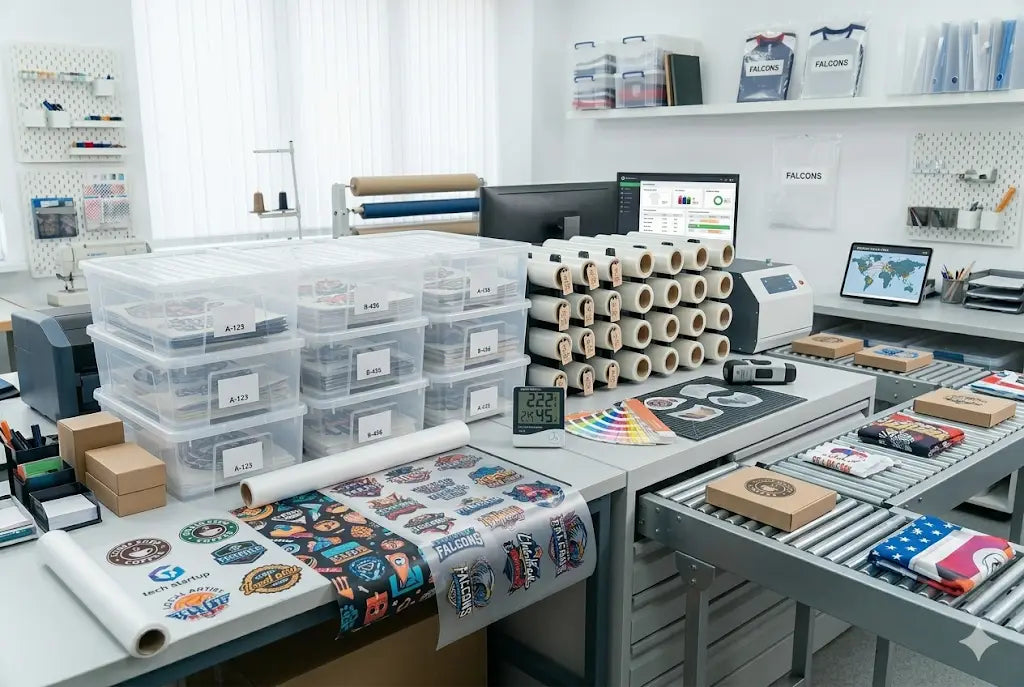
Today’s brands use a digital production workflow fashion approach that connects online design tools, digital printers, and order systems.
Designers upload their artwork, adjust colors, and print directly onto fabric. The system manages each step, from printing to packaging, all digitally.
This workflow is fast, efficient, and transparent. It helps brands track production in real time and make better business decisions.
Smarter Inventory, Happier Customers
Customers now expect quick shipping and fresh designs. With on-demand apparel production, brands can meet both goals easily.
Printing only when needed means customers get new styles without delays, and brands avoid overstock. It’s a win win.
This smarter production model also makes personalization easy. People can order shirts, hoodies, or accessories with custom prints, and get them faster than ever.
How Digital Printing Builds a Resilient Future
The move toward on-demand production textile methods is about more than speed, it’s about building a stronger future for fashion.
When global supply chains struggle, digital printing gives brands independence. They can print locally, adapt to demand, and keep business running even during disruptions.
A resilient garment supply chain powered by digital technology means no more waiting months for restocks or depending on one supplier. Instead, brands stay flexible, creative, and ready for anything.
The Real Impact of Digital Printing on Fashion
Here’s how digital printing is transforming the industry:
- Faster design to market timelines.
- Fewer wasted materials and unsold clothes.
- Cleaner, greener production.
- Easier personalization and small batch runs.
- Localized manufacturing that reduces shipping impact.
With these benefits, on-demand apparel production is becoming the standard for modern brands. It’s efficient, cost effective, and perfect for a fast changing world.
Conclusion
Fashion is evolving, and digital printing is leading the way. It’s helping businesses become more adaptable, sustainable, and profitable. Whether it’s small boutiques or large retailers, everyone can benefit from on demand apparel production and digital workflows.
To explore modern digital printing solutions and flexible apparel production options. Visit DTF West Coast today and see how innovation can simplify your fashion business.
FAQs
1. What is on demand apparel production?
It’s a printing method where clothes are produced only after an order is placed. This reduces waste, storage needs, and helps brands stay fast and flexible.
2. How does digital printing help with supply chain issues?
It cuts down on long shipping times and overproduction. With digital printing supply chain methods, brands print locally and deliver faster.
3. Is digital printing eco friendly?
Yes. Sustainable digital printing uses less water and chemicals than traditional methods. It reduces waste and supports more responsible fashion production.
4. What is nearshoring digital printing?
It means producing garments closer to where customers live. Nearshoring digital printing saves time, lowers costs, and makes delivery faster and more reliable.
5. How does digital printing reduce inventory waste?
Brands can reduce inventory with digital print by printing designs only when sold. This minimizes unsold stock and keeps production efficient and cost effective.
Share:
What Are DTF Transfers? Complete Beginner Guide
Hyper+: What It Is, Why It Matters, and When to Use It for DTF and UV DTF Transfers